Product evidence
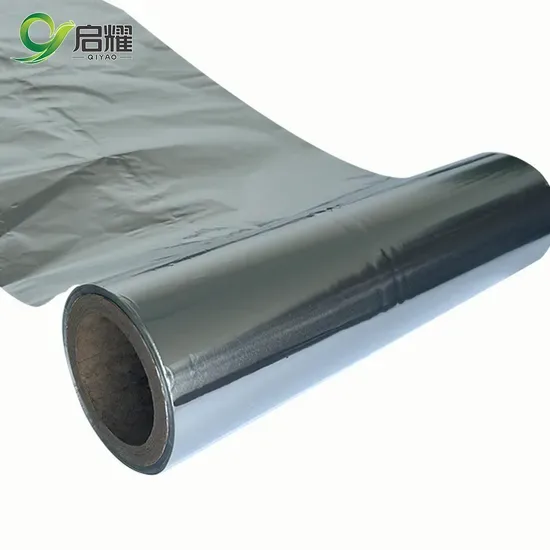
Reflective Foil / Radiant Barrier
Qiyao’s reflective foil line lists 161 products that reflect radiant heat, with no thermal conductivity value published on the product pages.
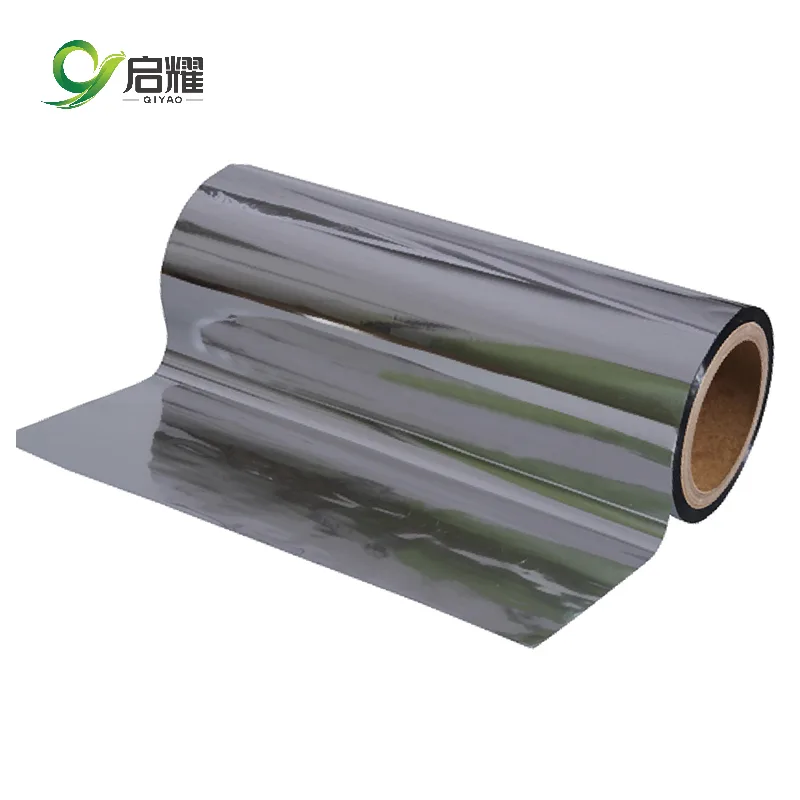
Qiyao’s reflective foil line lists 161 products that reflect radiant heat, with no thermal conductivity value published on the product pages.
The verified Qiyao statement for reflective foil is that it works by reflecting radiant heat. No thermal conductivity value is published on the Qiyao product pages in the source facts. That distinction matters. Reflective foil is not presented as a low-lambda conduction material in the verified data. It is presented as a radiant barrier. Heat transfer by radiation is different from heat transfer by conduction. A reflective surface can reduce radiant heat exchange across an air space by reflecting infrared radiation. It does not stop conduction through the foil itself, through framing, or through a material in direct contact with both sides. If the foil is installed in contact with a surface on both faces, the reflective function is reduced and the material can act as a conduction path. The verified data does not publish emissivity, reflectivity, or installed air-space performance, so those values cannot be stated.
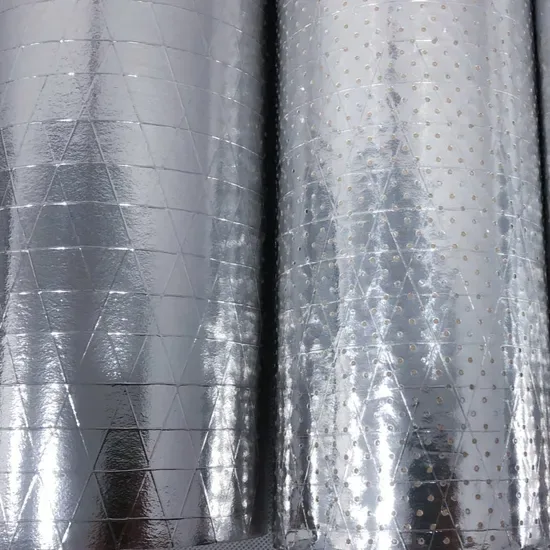
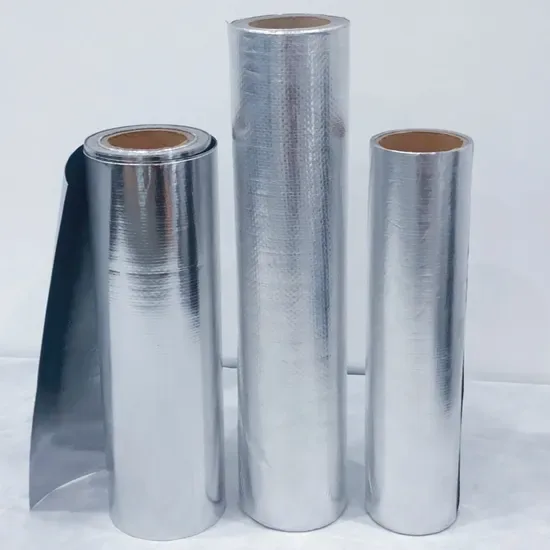
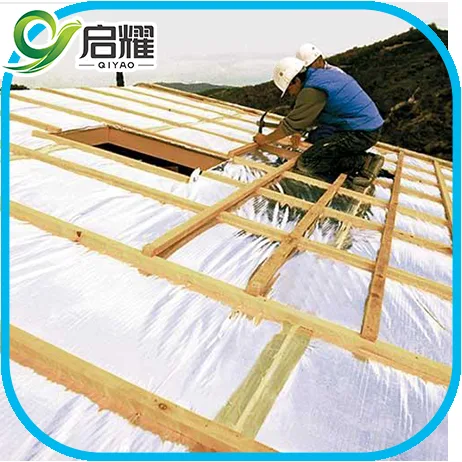
The foil line has 161 products on sale on Made-in-China as of 2026-10-11. Referenced product names include “Reflective Pet Al PE Laminated Foil Pet+Alu+PE” (from $0.15), “Reflective Pure Aluminum PE Woven Radiant Heat Barrier Insulation,” and “Aluminum Foil Woven Fabric Build Sarking Radiant Barrier Wall Roof Wrap.” These names show laminated foil, woven foil, radiant heat barrier, and wall/roof wrap formats. The term “sarking” in the product name indicates a building-envelope wrap format. The term “woven” indicates a fabric-reinforced construction. The verified data does not publish the layer thicknesses, aluminum purity, emissivity, or permeability of these products.
The from $0.15 starting price is consistent with roll material economics. Reflective foil is supplied as roll goods, not as finished panels. A low “from” price can be quoted for a base roll material, while the final price depends on width, length, roll size, lamination, reinforcement, and order quantity. The $0.15 figure should not be read as the installed cost of a radiant barrier assembly. Installation requires air space, fasteners, seams, and in many cases a substrate; those are separate from the roll price.
For technical evaluation, ask for the layer structure, roll dimensions, surface emissivity, permeance, and any fire or building-code documentation for the exact SKU. The verified facts do not include these values. The product count of 161 indicates many foil variations, which is expected in a roll-goods line where the same base materials can be combined into different laminates and woven formats. It does not mean every product is interchangeable. A radiant barrier for a wall or roof wrap is not the same specification as a foil facing for a cold-chain liner.
Limit: The published data does not tell you emissivity, R-value, installed air-space performance, permeability, or code compliance for any foil SKU.
Names and starting prices are real Made-in-China listings dated 2026-10-11. 161 products are on sale in this line.
See how building, cold chain, and industrial equipment buyers read the same materials in Applications, or form your own judgment in the material comparison.
Samples available. OEM/ODM available. Or email sales@radiantbarrierfactory.com.