Deep analysis
Why the three routes answer different questions
The three insulation routes in Qiyao’s product lines—vacuum insulated panels (VIP), aerogel felt/blanket, and reflective foil insulation—do not answer the same question. A buyer who compares them by one number will compare different things. Qiyao’s Made-in-China on-sale list shows the spread: vacuum insulated panels (VIP) 333; cold chain thermal boxes/bags 291; reflective foil insulation 161; thermal pallet covers/container liners 164; aerogel felt 140; FIBC ton-bag foil liners 80; ice boxes/PCM 61; foil laminated barrier film 28; waterproof breathable membranes 12; unclassified 352. That product-line range is the first signal that the route follows the application, not the other way around.
1. What each route optimizes for
VIP optimizes for a published conduction figure. Qiyao’s product pages state VIP “thermal conductivity is lower than 0.003 W/m·K” (vacuum core). That is the only one of the three routes with a numeric thermal conductivity value in the verified facts. The format is a panel, so the buyer’s questions should focus on the panel’s role in the intended assembly, not on a generic material label. Where a project needs a stated vacuum-core conductivity, VIP is the route that supplies one. Where the project needs a flexible felt or a low-cost radiant facing, the same data point does not apply.
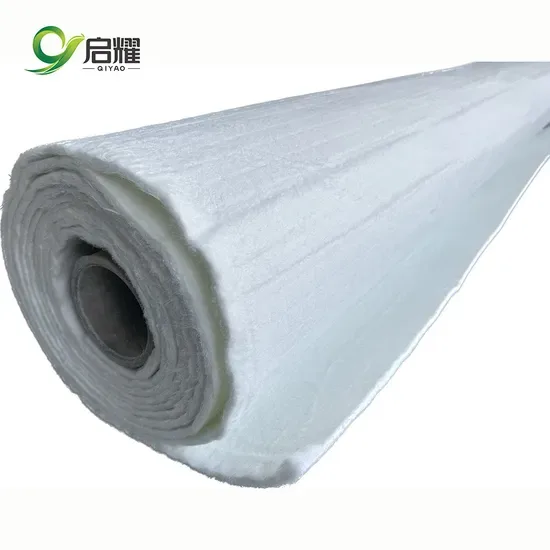
Aerogel felt optimizes for a flexible felt/blanket format and, on some products, “thickness available in customized options.” Qiyao’s aerogel felt pages state “low thermal conductivity” but publish no numeric value. This route is relevant when the physical format matters—pipelines, battery insulation, or other equipment geometries where a felt can be cut or customized—but the buyer cannot complete a conduction calculation from the public page alone. If a project requires a thermal conductivity number, the next step is to request the relevant test data for the exact felt and thickness. The absence of a published number is not a negative finding; it is a data gap to close with the supplier.
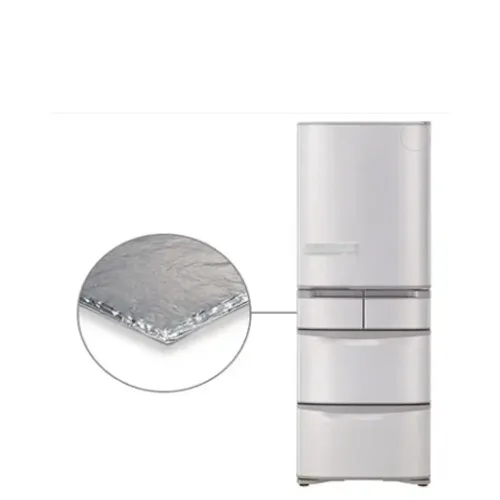
Reflective foil optimizes for radiant heat. Qiyao’s reflective foil pages state that the product works by reflecting radiant heat, and no thermal conductivity value is published. This route is a component in roofs, covers, liners, and barrier films. It is not presented on the same data sheet as VIP or aerogel. For a buyer, that means the first question is not “What is the conductivity?” but “Is the dominant heat path radiant, and is foil the facing or liner in the assembly?”
2. Reflection vs conduction for foil
The reflection-versus-conduction distinction is the main reason a single comparison table can mislead. VIP is described by a conduction value: “thermal conductivity is lower than 0.003 W/m·K” for the vacuum core. Aerogel felt is described by a qualitative conduction statement: “low thermal conductivity.” Reflective foil is described by a mechanism: it reflects radiant heat. These are three different languages. A foil that reflects radiant heat is not being sold as a vacuum core, and a VIP panel is not being sold as a radiant facing. If a purchasing manager places all three in one spreadsheet and sorts by price, the spreadsheet will rank units, not thermal duties.
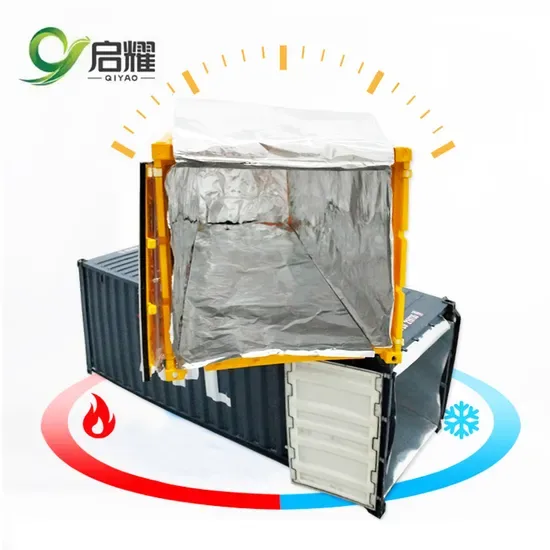
The practical consequence is that foil should be evaluated where radiant heat is the problem. Qiyao’s reflective foil insulation, thermal pallet covers/container liners, FIBC ton-bag foil liners, and foil laminated barrier film are product formats that can face radiant sources or line containers. The buyer should ask what the foil is reflecting, what the assembly’s air spaces and facings are, and whether the supplier publishes a conductivity value for that configuration. In the verified facts, no such conductivity value is published for reflective foil. That does not make the route unusable; it makes it a different measurement category. The same logic applies to aerogel felt: “low thermal conductivity” is a qualitative claim without a number in the published facts. VIP is the route with the explicit numeric threshold.
3. Starting-price bands are an entry signal, not project cost
Made-in-China lists starting prices as “from” figures dated 2026-10-11. VIP panel from $3.11/pc; aerogel felt from $12.35/pc; reflective foil from $0.15; cold chain box from $15.76/pc; thermal pallet shipper at $475. These figures are useful as entry signals, but the units and product formats differ.
They are not project costs. The figures cannot be compared directly without knowing what the piece or unit contains. Thickness, dimensions, facings, quantity, fabrication, and the assembly into a box, cover, liner, or shipper all change the quotation. A thermal pallet shipper at $475 is not a raw material price; it is a cold-chain product with a stated holdover range. The correct use of the starting-price band is to decide which routes are worth a detailed quote, not to select a route by lowest number.
4. When each route deserves a second look
VIP deserves a second look when the project needs the vacuum-core value “thermal conductivity is lower than 0.003 W/m·K” and the product form is a VIP panel. It also deserves a second look in building walls/coolers and in cold-chain assemblies where VIP panels, cold chain thermal boxes/bags, thermal pallet covers/container liners, or ice boxes/PCM are relevant. The buyer should ask for the panel data that matches the intended assembly and confirm how the vacuum core is protected in that format. The published value is the starting point, not the whole quotation.
Aerogel felt deserves a second look when the application needs a felt or blanket and customized thickness options. The relevant applications in Qiyao’s product lines include pipelines and battery insulation. Because the published aerogel felt page states “low thermal conductivity” without a numeric value, a project that requires a conductivity figure should request the specific data for the selected felt and thickness. If the project can proceed on format, flexibility, and customized thickness, the route can be quoted. If the project needs a numeric threshold, the buyer must close the data gap first.
Reflective foil deserves a second look when radiant heat is the dominant concern and the product format is a foil, cover, liner, or barrier film. Roofs and IBC covers are applications where radiant control and liner format matter. The published facts include no thermal conductivity value for reflective foil. The buyer should ask the supplier to define the role of the foil in the assembly and to supply any available test data for that configuration.
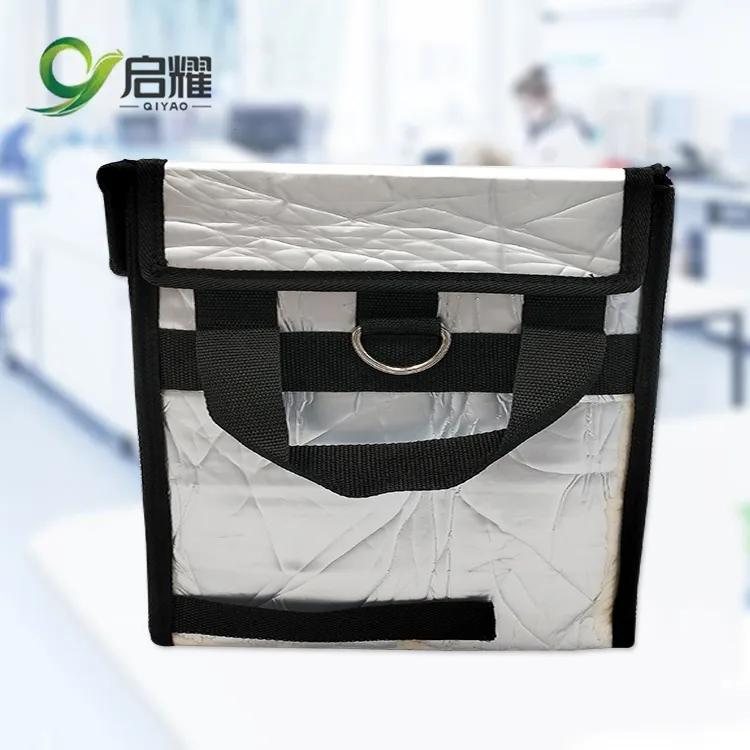
Cold-chain packaging deserves its own second look because it often combines routes. Qiyao’s product lines include cold chain thermal boxes/bags 291, thermal pallet covers/container liners 164, ice boxes/PCM 61, and cold chain temperature packaging. The thermal pallet shipper with 140-168 hours holdover at $475 is a configured product, while the cold chain box starts from $15.76/pc. VIP and foil laminated barrier film may be part of these assemblies. The buyer should compare quotations on the same duration, format, and test basis rather than on the starting price alone.
The final point is commercial, not technical. Qiyao’s Made-in-China store lists OEM/ODM available and samples available. The Alibaba store lists an average reply <=3 hours and 100.0% on-time dispatch, with US $100,000+ transactions. These facts are useful for procurement screening, but they do not replace the specification comparison. The buyer is not choosing one material; the buyer is choosing the heat path, the format, and the data set that match the project.